Buddha’s Wisdom

buddha3

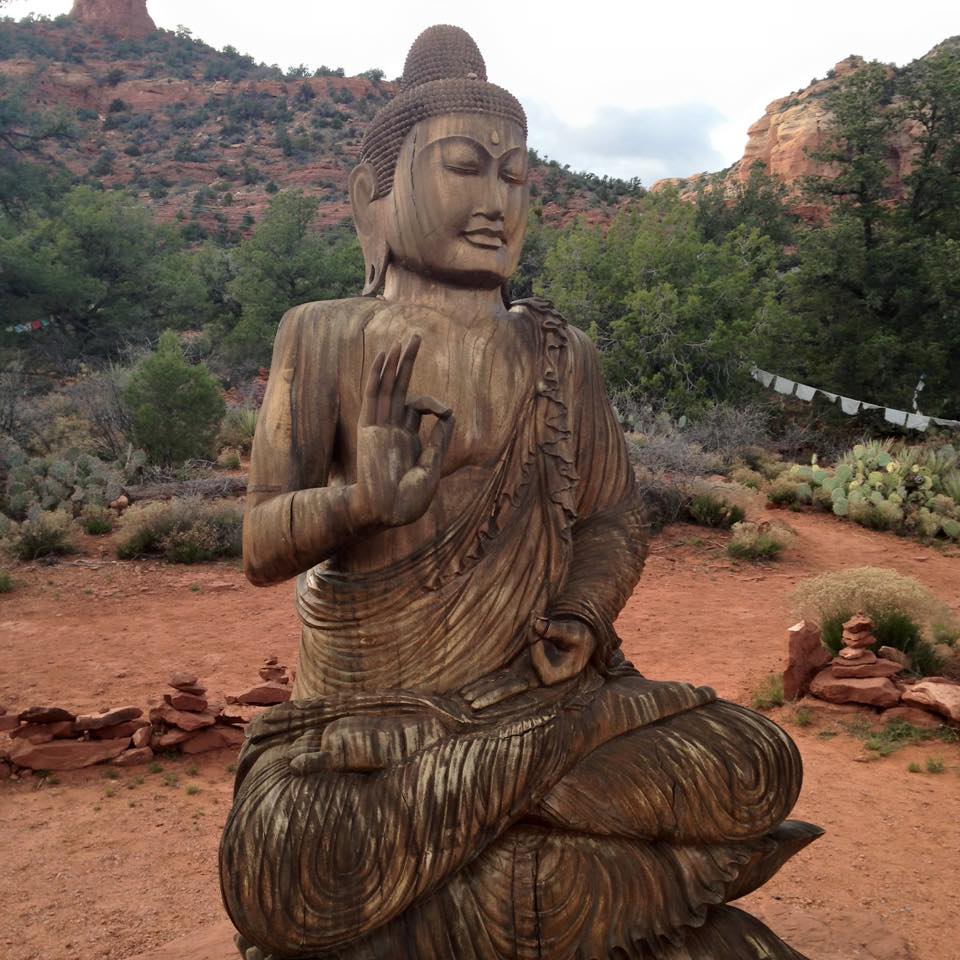
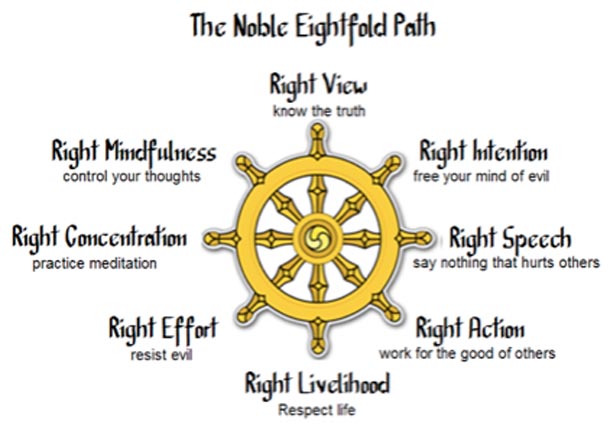
The Buddha’s wisdom is knowing the right amount. It doesn’t mean knowing everything about everything, but knowing impermanence, knowing suffering, knowing selflessness. The reason we get caught up in seeing things as other than they really are is our lack of wisdom. With wisdom we know how to let go; to let go of craving, let go of clinging, let go of beliefs. We let go of the tendency to always see things in relation to a self.

What we call ‘Me’ is merely a convention; we were born without names. Then somebody gave us a name, and after being called it for a while, we start to think that a thing called ‘me and mine’ actually exists. Then we feel we have to spend our lives looking after it. The wisdom of the Buddha knows how to let go of this ‘self’ and all that pertains to it; possessions, attitudes, views, and opinions. It means letting go of the opportunity for suffering (dukkha) to arise. It means giving occasion for seeing the true nature of things.  – Ven. Pasanno

Yoga: My Anchor


anchor1

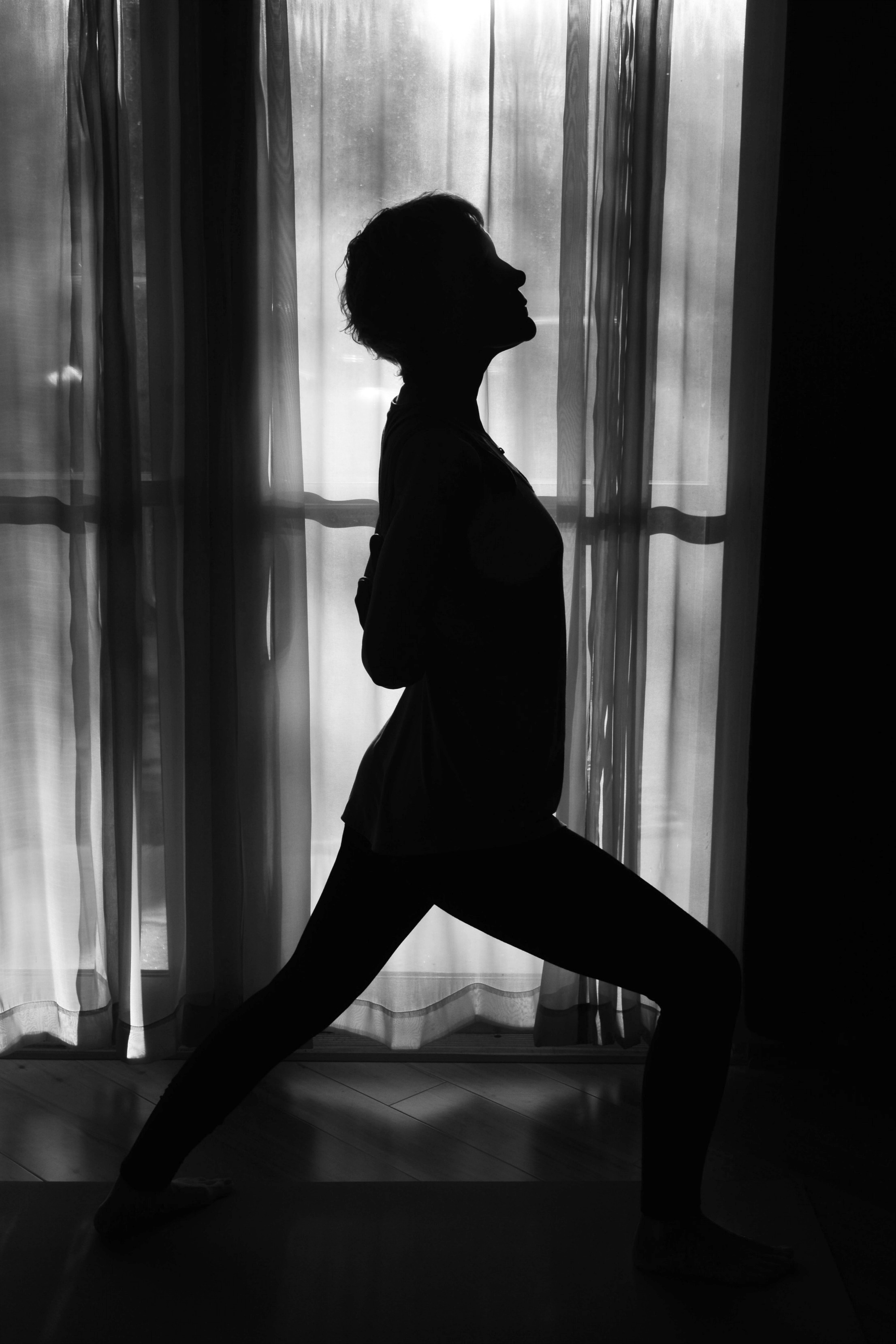
Yoga is like an anchor for me. My boat (my body) is in the present; sitting on top of the water, and is exposed to the elements of life. But my anchor reaches deep into the unknown, and yet it creates stability. The depth of the water symbolizes how far I am willing to explore my spirituality. Can I work with my fears? Can I let go? Can I travel with ease and follow my intuition? I pick up my anchor and release it into the depths of mystery many times during the journey of my life.

According to Merriam-Webster, an anchor is a reliable or principal support. Yoga is a support we can depend on in our life. We need that support because the mind is like the wind. In the Bhagavad Gita, it says, “The mind is impetuous and stubborn, strong and willful, as difficult to harness as the wind. But it can be trained by constant practice and by freedom from desire.”

In the vast sea of life, the wind will push my boat around with recklessness – if I allow it. But I can become steady with my anchor, and let my sails harness the wind to direct my boat according to my plan. I will learn to ride the waves and become my own captain.

Namaste, world.

Meditation Quotes

BGyoga1

Meditation, more than any other spiritual practice, nurtures the latent capacities within us that perceive and respond to divine hope. In the classic language of our tradition, these capacities are know as the “spiritual senses.” – Cynthia Bourgeault

It is possible to be swimming in a sea of mercy and still experience ourselves as stranded on shore. This distorted perception is what meditation is intended to fix. – Cynthia Bourgeault

Any time is a good time for meditation. – Buddhist Monk Bhante Sathi (www.triplegem.org)

The Lived Life

butterfly girlI have been thinking a lot about the quality of life and death. My Buddhist teacher, Bhante Sathi, asked me one simple question that will not get out of my head. He asked me, “Are you satisfied with your life?” And I replied, “Yes.” When I look at my life, I am satisfied with everything that I did. I have a few things that I would do differently, but, all in all, I am satisfied.

An unlived life causes the fear of death. If you are happy with your life, then you can let go. But if you feel that you did not live your life, then fear can appear. Are YOU satisfied with your life?

Almost every day, I sit with the dying. I see my patients mortality and my mortality and the brief span of time that we call life. The Buddhists believe, just like in nature, there are two events: birth and death. I, too, believe that we are part of a cycle of birth and death (reincarnation). I do not fear death. However, I am curious.

Do you sleep at night? Sleep is the twin of death (Yalom, 2008). We experience a taste of death every night. Death is part of us, part of nature. And every morning is a symbol of rebirth. All things begin and end and then start again.

Most of my hospice patients decline until they are in a sleep-like coma. Also, they hold their breath. Some hospice practitioner’s call this, “Fish out of the water.” They retain their breath like a fish out of water, opening and closing its mouth. After they hold their breath, then they need to catch their breath. So it’s a cycle of retention (holding the breath) and fast breathing.

When I watch my patients breathe, I understand the importance of learning pranayama (regulation of the breath through specific techniques and exercises). Pranayama exercises help us to prepare for death. As a yoga practitioner, I understand the value of training the prana (breath/life-giving force). According to B. K. S. Iyengar (yoga master), it is best to practice pranayama with an experienced Guru or a skilled teacher.

Meditation also helps us prepare for death. Again, we watch the breath. In life, the breath is always with us.

When you are satisfied with your life, there is no fear of death. You lived your life to the fullest! No regrets. The essence of who you are stays with you. You go to sleep as you, and you wake up as you. It is through wisdom that we see the truth.

Namaste, world.

Reference:

Yalom, I. D. (2008). Staring at the sun: Overcoming the dread of death. London, Great Britain: Piatkus.