
In less than two weeks, I will be leaving for Peru. I will spend four days in Cusco to see Machu Picchu, and then I will spend 10 days at a retreat center in Tarapoto, located in the Amazon jungle. Currently, I’m on a diet to prepare for the 10-day cleanse, which excludes sugar, caffeine, salt, meat (no problem – I’m a vegetarian), junk food, alcohol (which I don’t consume), and dairy products. I can eat fresh or cooked vegetables, legumes, beans, rice, oats, quinoa, and other grains. Additionally, I can consume fresh fruits and juices, as well as organic eggs.
Last summer, I had booked a yoga retreat in Peru, but I changed my mind. I decided to join an ayahuasca plant medicine retreat with Dr. Mary Newstrom instead (https://www.zenithhigh.com/). I had been eyeing this retreat for a few years. However, every time registration came up, I felt fear. I wasn’t ready to work with Mother Ayahuasca.
I’m still not sure if I will participate in the four ayahuasca ceremonies during the retreat. I will follow my intuition. One of my friends reminded me that my mom just passed away in February, and I might be sensitive to energies, so I should take caution.
Another friend said I should embrace the once-in-a-lifetime experience. Nevertheless, I’m preparing for the retreat and also starting a digital detox by reducing my screen time. However, the most important thing is having an open heart and mind.
Mother Ayahuasca removes the veil to the Bardo, the “in-between” world. To enter this realm, I must become a brave warrior, one who does not fear anything, and this requires courage. One warrior that comes to my mind is St. Joan of Arc. She also received visions and messages from the spirit world, and she faced her fears.
In some schools of Buddhism, the Bardo is an intermediate and transitional state between death and rebirth. The term “Bardo” means “in-between.”
I think we can work with Bardo in our present lives. Additionally, it’s crucial to realize that the quality of our minds follows us after death, whether joyful or troubled. If we don’t work with Bardo now, we will eventually need to face it.
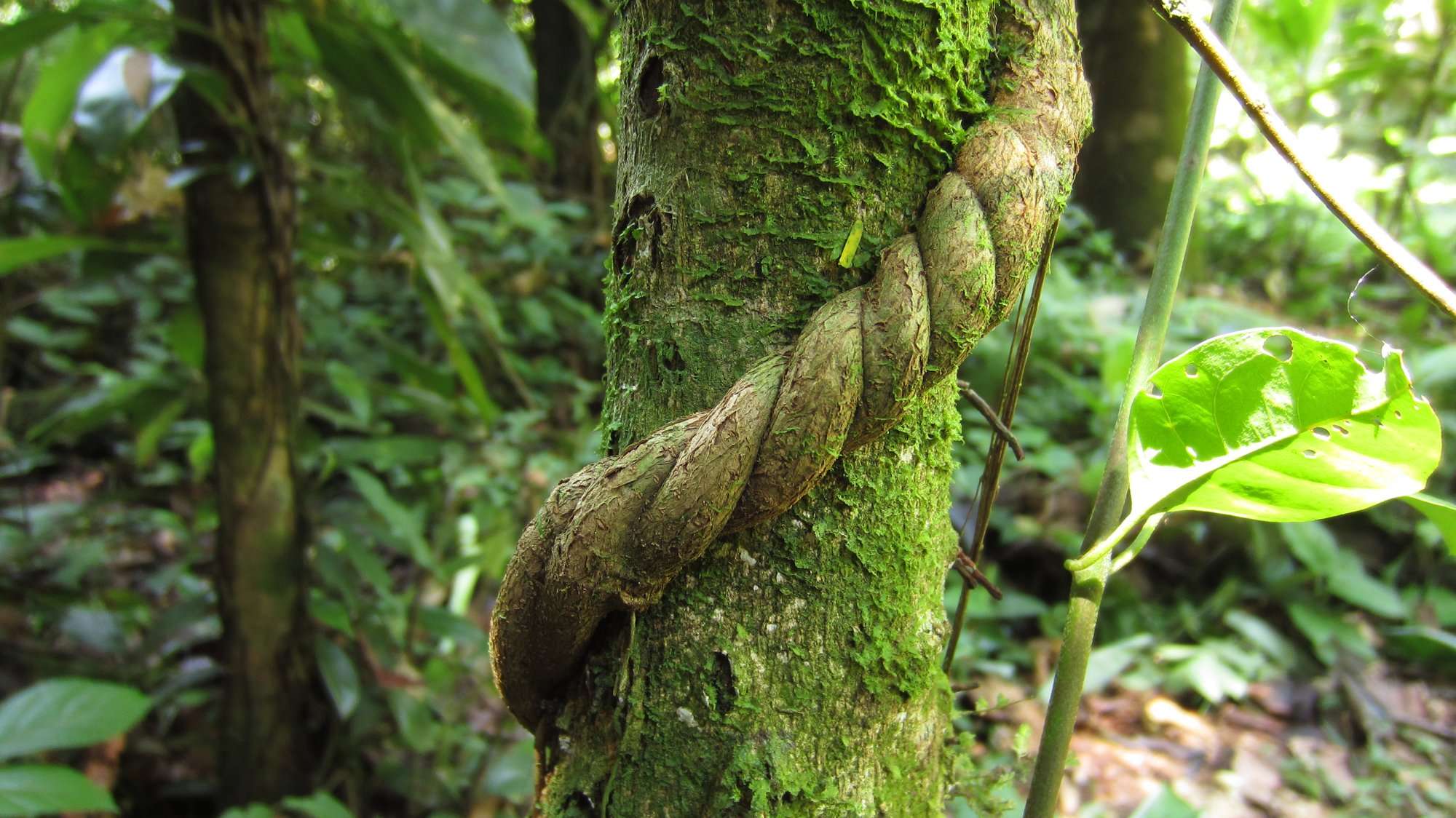
Ayahuasca Vine
Ayahuasca is a sacred power plant that grows in the Amazon jungle. In the Quechua language, ayahuasca means “vine of the dead” or “vine of the soul.” The vine reminds me of the Tree of Knowledge, the serpent, DNA, the stairway to heaven, and “Jack and the Beanstalk.” I’ve read somewhere (I don’t remember where) that once I decide to go on an ayahuasca retreat, I’ll already be working with Mother Ayahuasca.
Why do I want to go on the ayahuasca retreat?
- Become spiritually stronger and increase my intuition.
- Work on forgiveness and increase the love in my heart.
- Purify my mind, body, and spirit.
- Work with Mother Ayahuasca and the curanderas/shamans.
- Heal, become brave, and work towards enlightenment.
- Reduce my anxiety.
- Open my third eye.
- Experience the Bardo without fear.
- Connect with nature.
The ayahuasca ceremony is similar to a sweat lodge, but instead of going into the lodge, we will go within. Tobacco smoke and incaros (singing or whistling) also bless and protect. A lot of spiritual work with ayahuasca is about remembering who we are.
There are shamans all over the world. During the retreat, I will work closely with the curandera/shaman and ayahuscera. I also realize that being near the shamans and sacred plants will allow me to absorb what I need to heal.
Now that I’m working with Mother Ayahuasca, I’ve had a few synchronicities. The first was when I read the book “Ayahuasca Medicine” by Alan Shoemaker. I looked up a video on YouTube about Alan, and I noticed the hotel he was staying at was the same one I had just booked for my weekend trip to Machu Picchu (before the retreat). The only difference was the hotel’s location—mine was in Cusco, and he was in Iquitos. The hotel we had in common is La Casona, which means “the mansion.”
The second synchronicity was Alan’s good friend in the book was named “Gina.” My name is not a common name. It may not mean anything, but I felt some sort of connection to the author.
According to Alan, most people do not receive visions but only experience a purge, which includes vomiting and diarrhea, which can still make them feel better and lighter. Therefore, medicine can work without visions. The medicine will go where it needs to go.
Additionally, Alan mentioned that a curandero in Peru informed him that the new shamans will likely be gringos or gringas (people from different countries). Many of the youth in Peru are not interested in following their ancestors’ path. But people all around the world are opening their hearts and minds to shamanism.
May we heal on all levels. Namaste.
 Tunnel Vision 8